The Healthcare AI Maturity Model
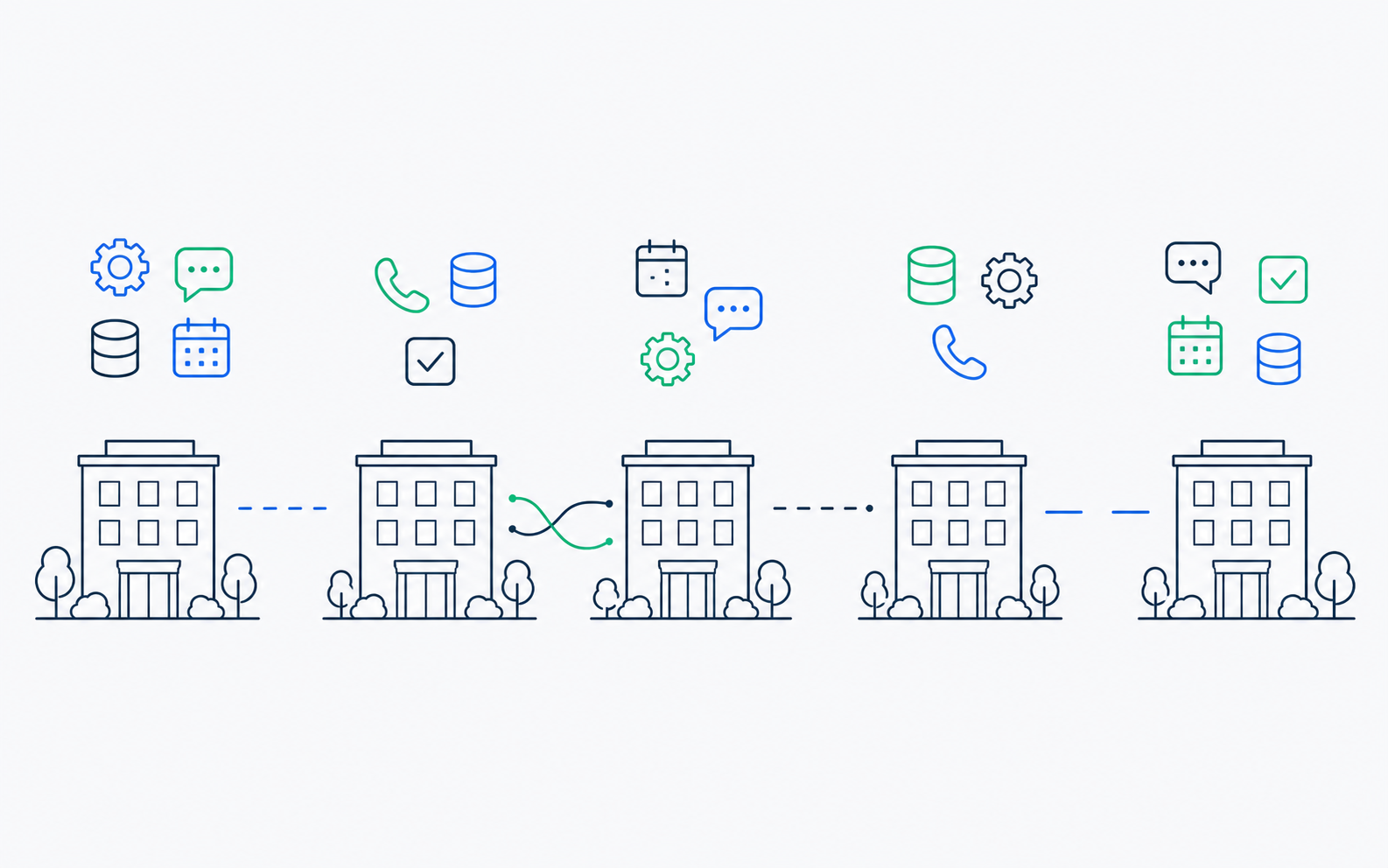
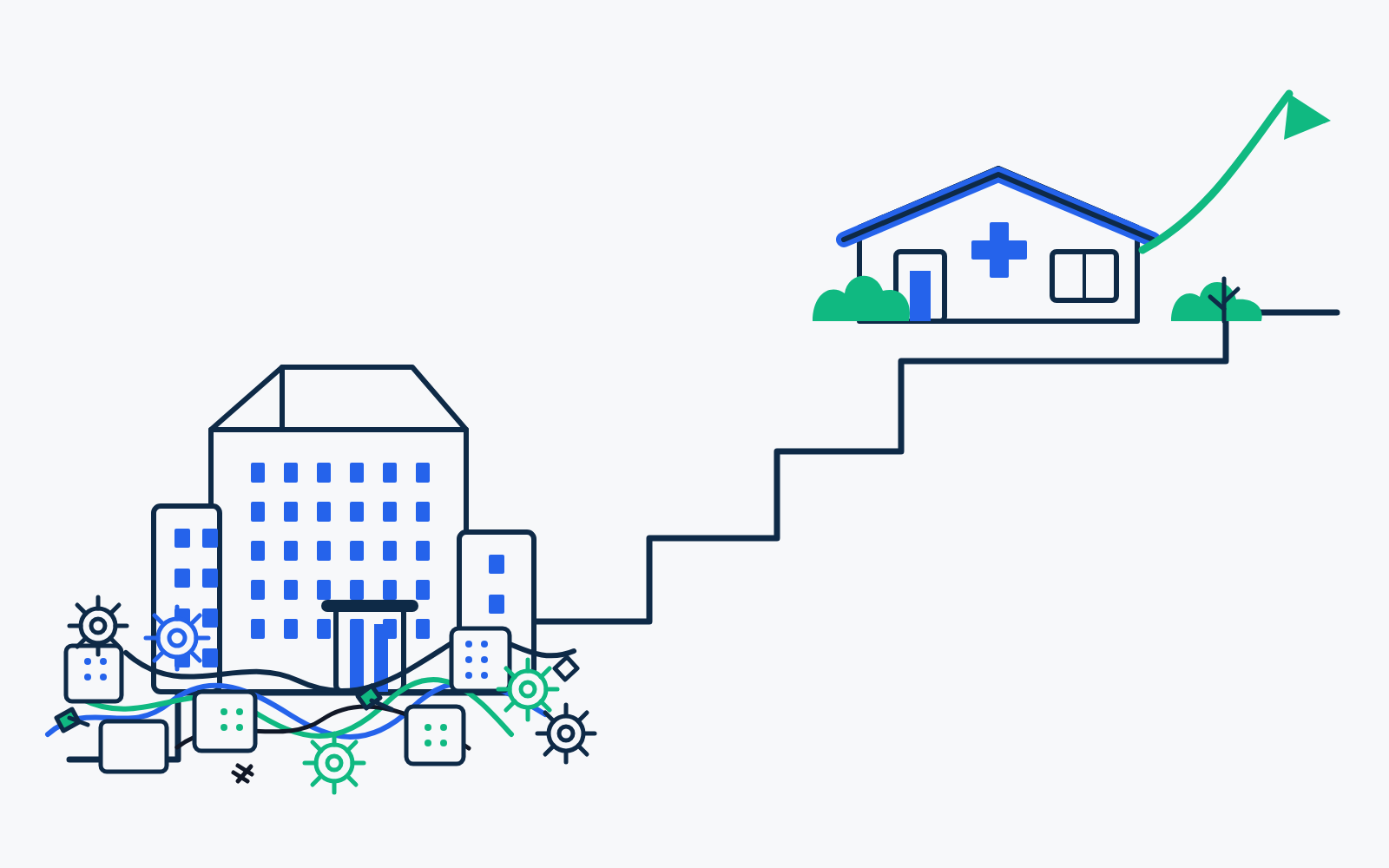
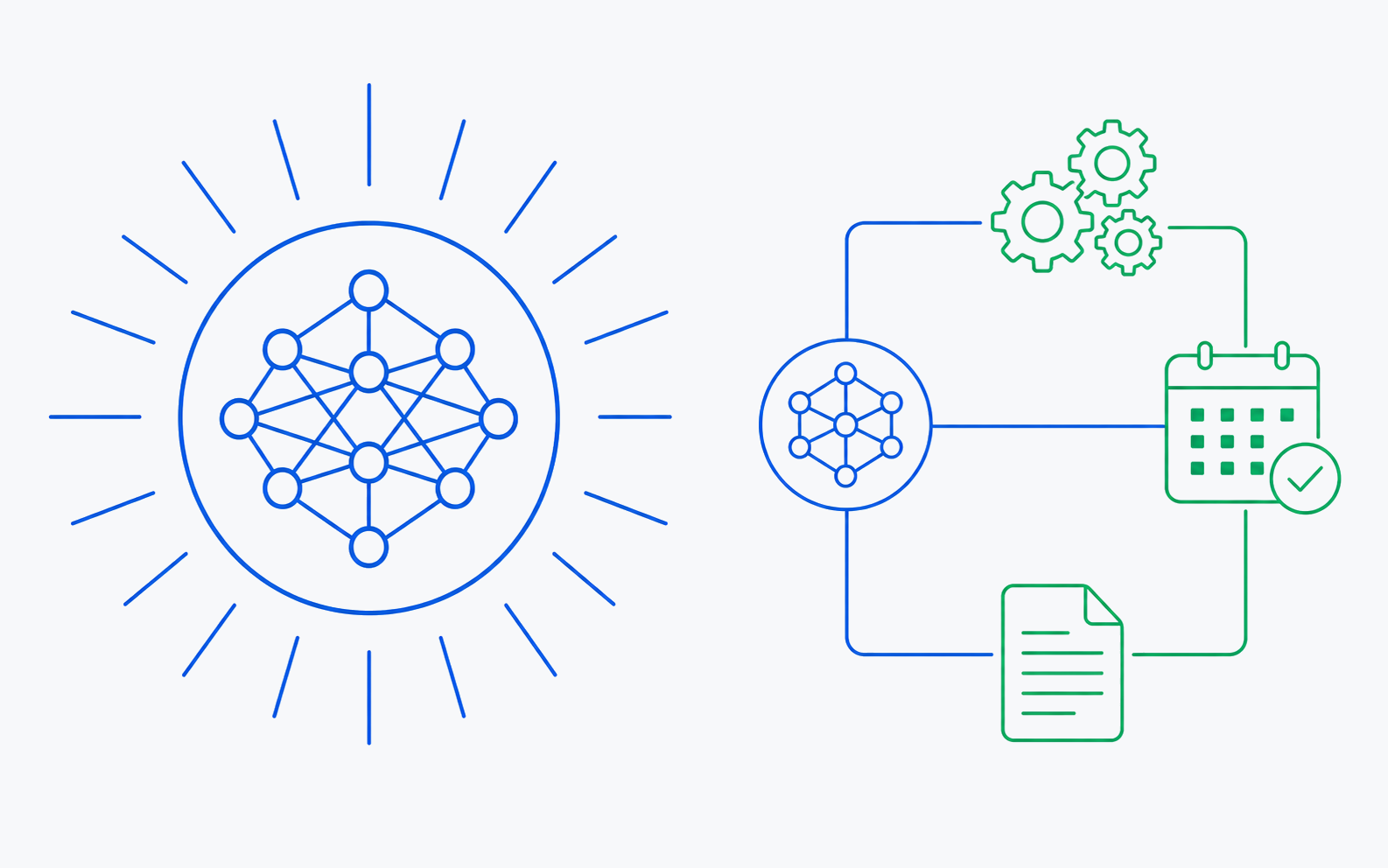
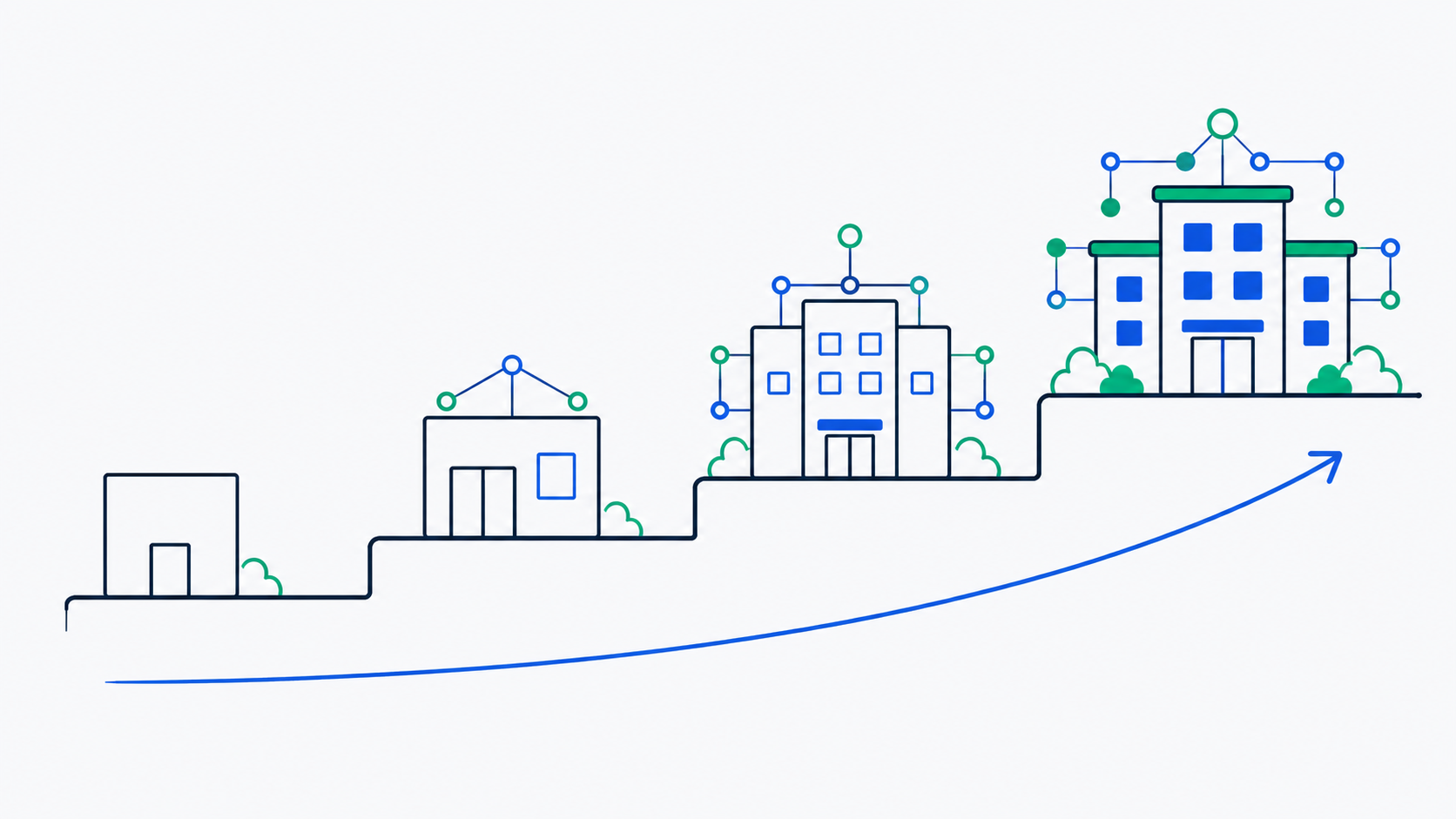
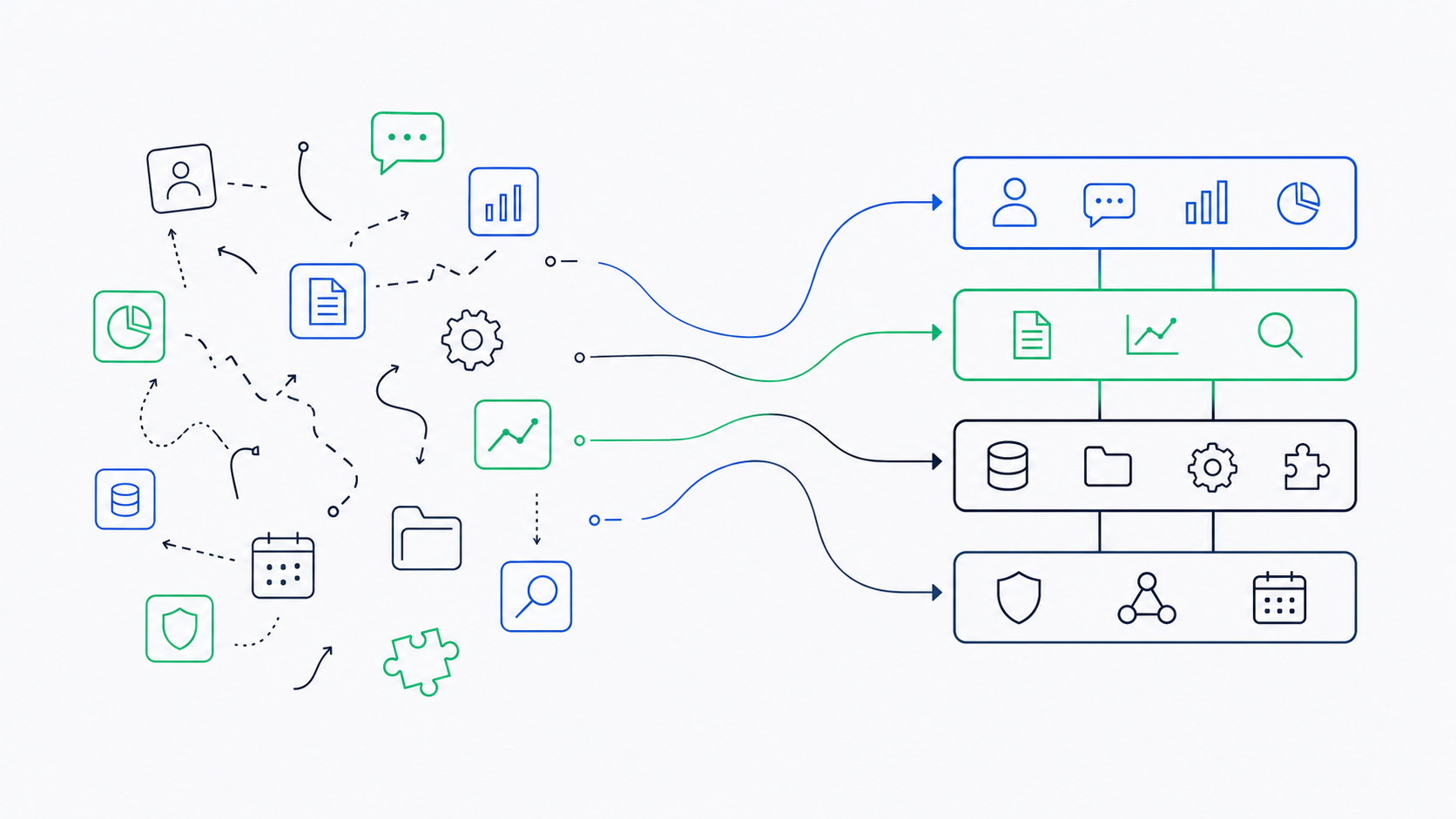
After Operations-First AI comes the obvious question: how does an organization actually become AI-native? The Healthcare AI Maturity Model — Analog, Digital, AI-Assisted, AI-Native — is the map.
Farid Fadaie is the cofounder and CEO of Viva AI, building AI tools for dental and healthcare operations.
After Operations-First AI comes the obvious question: how does an organization actually become AI-native? The Healthcare AI Maturity Model — Analog, Digital, AI-Assisted, AI-Native — is the map.
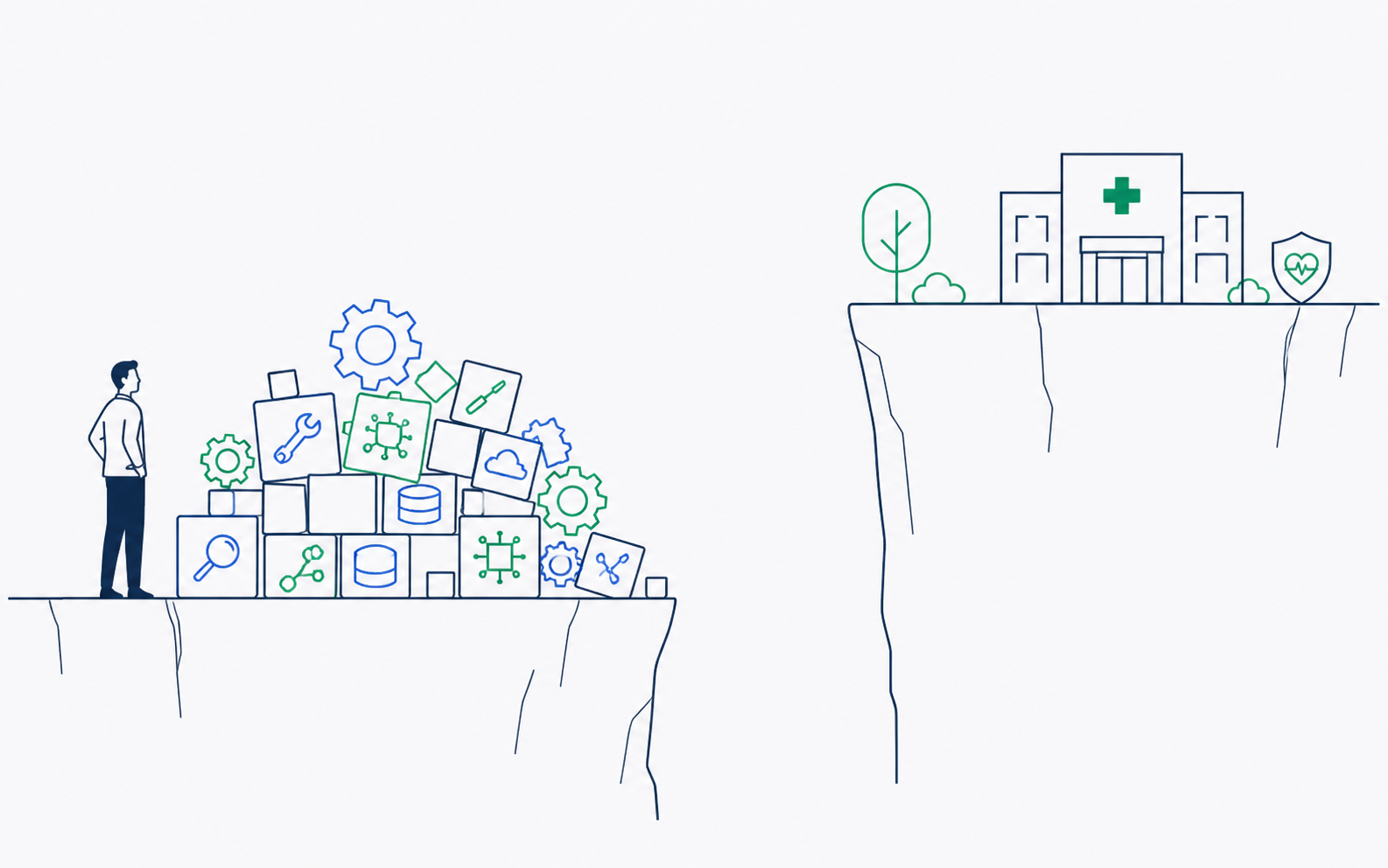
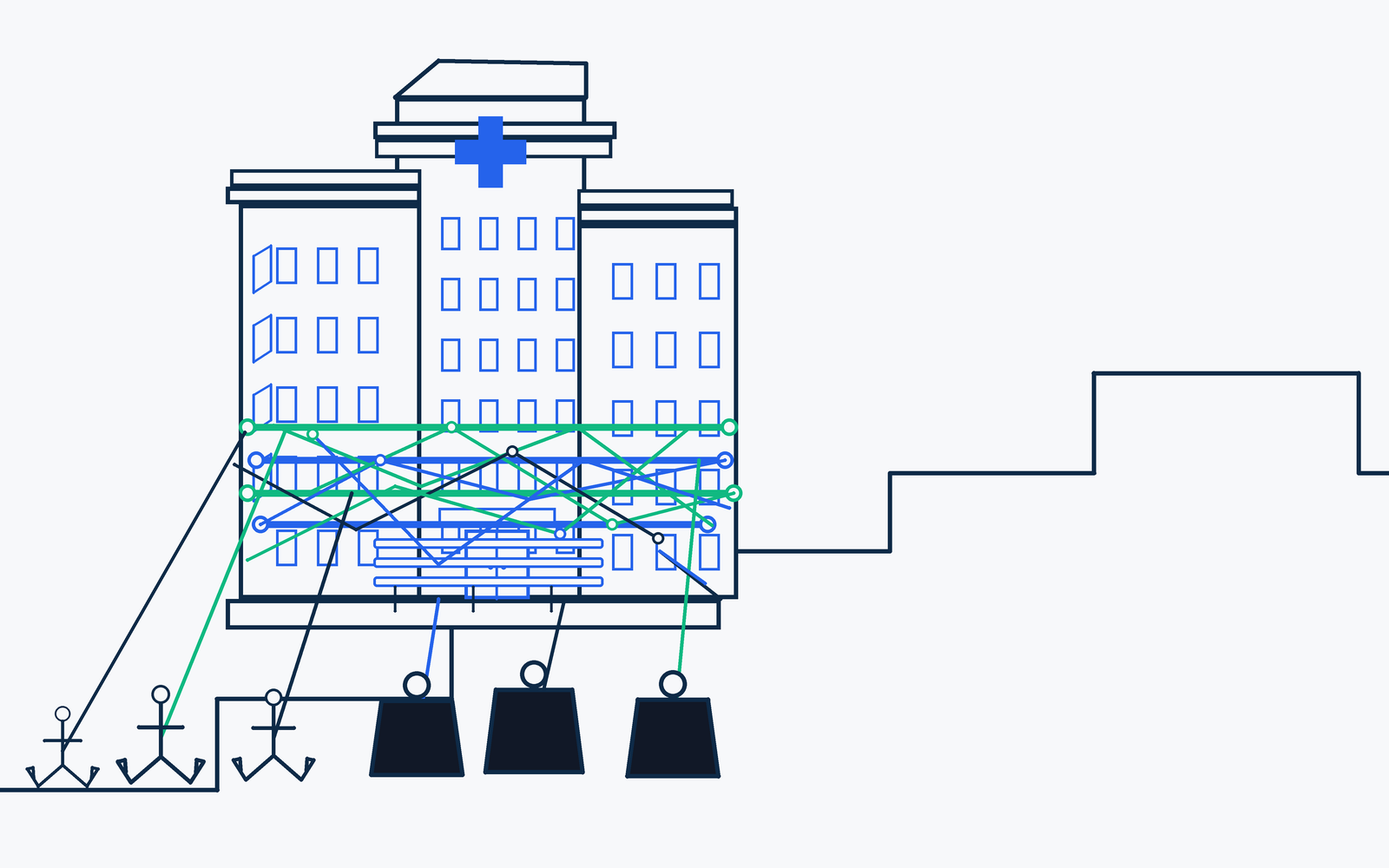
Health systems have the most AI money can buy and are the most stuck. The governance that makes clinical AI safe makes operational change impossible — which is why the biggest organizations plateau longest.
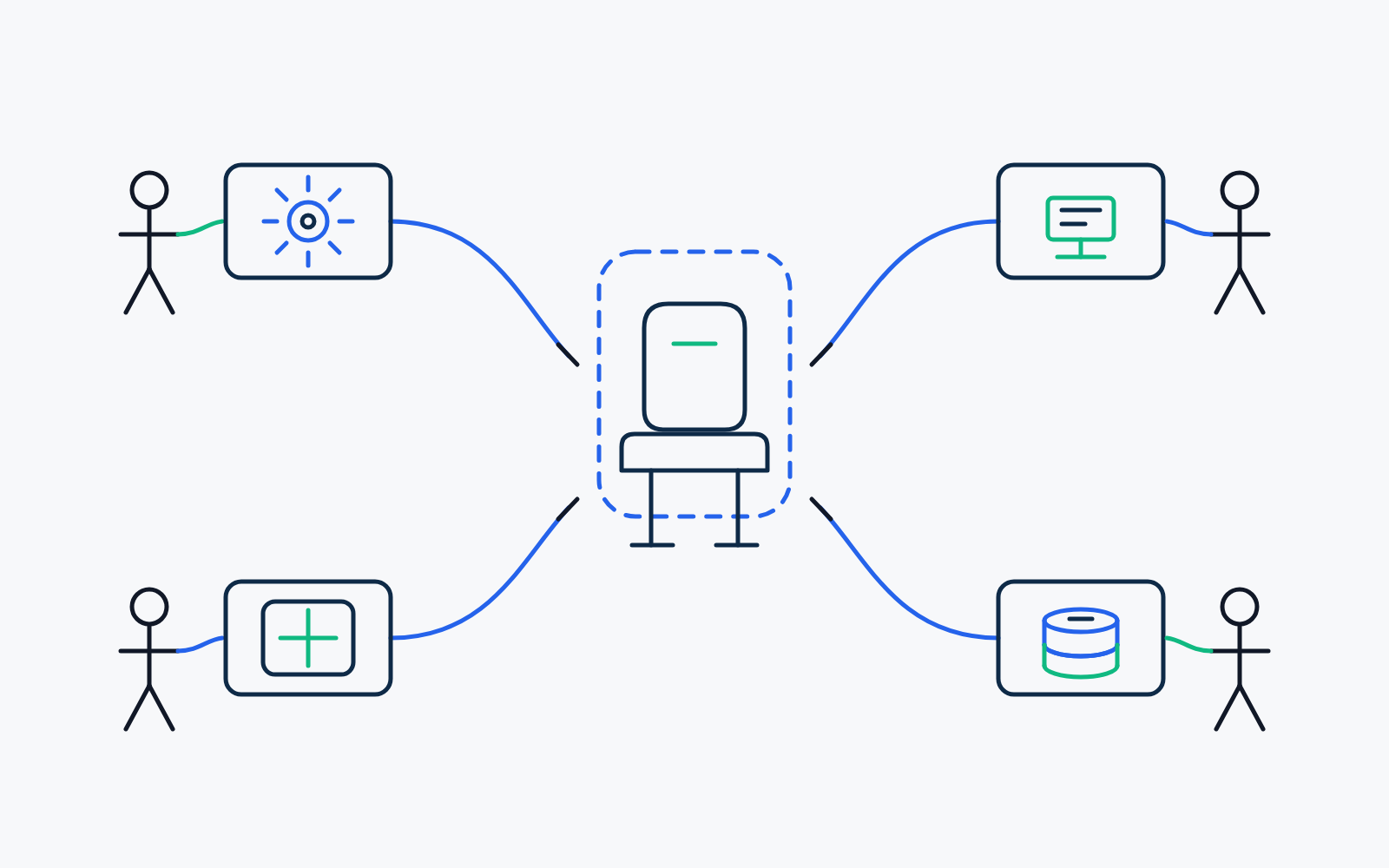
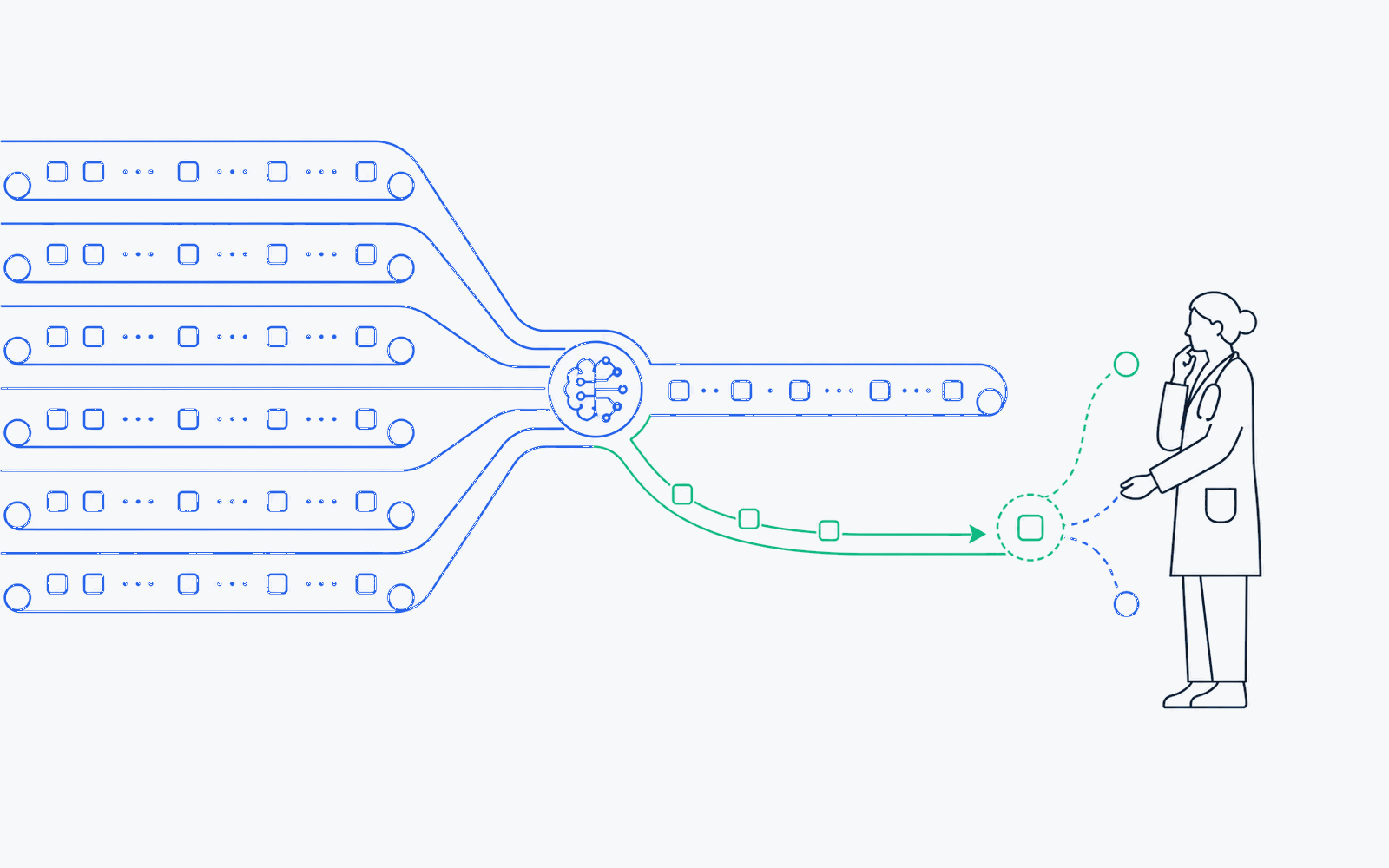
Healthcare doesn't need more AI tools — it needs an AI architecture: operations first, humans on the decisions, orchestration over automation, and production over demos.
Conversational AI in healthcare works when it becomes an AI front office: multilingual, integrated, safe, and reliable enough to improve patient access and reduce operational burden.
AI in healthcare is not really about diagnosis. After building AI for real practices, here is where it actually delivers — operations, communication, and access — and the principles that separate what works from what just demos well.
A builder’s honest tour of where AI in healthcare actually works today — and where it does not. Real operational examples, sorted from working now to overhyped.
You cannot unit-test a conversation. The testing playbook for production voice agents: a four-layer test pyramid, simulated callers over real audio, LLM-as-a-judge scoring calibrated to design intent, the transcript-integrity trap, and the 2-of-3 flake rule.
I built the same production voice agent three times. The orchestrator collapsed under coupling, server-gated turns created dead air, and the third architecture — where the realtime model owns the conversation — is the one that survived. Pros, cons, and diagrams of all three.
Fixing an AI bug isn't like fixing a regular bug — every prompt change ripples through the whole system. Why AI software development needs a new kind of regression testing, and why traditional software engineering doesn't apply.
Dentistry has some of the most advanced clinical technology in healthcare — digital imaging, CAD/CAM, intraoral scanners, and AI-assisted diagnostics. Yet behind the scenes, most dental practices still run on…